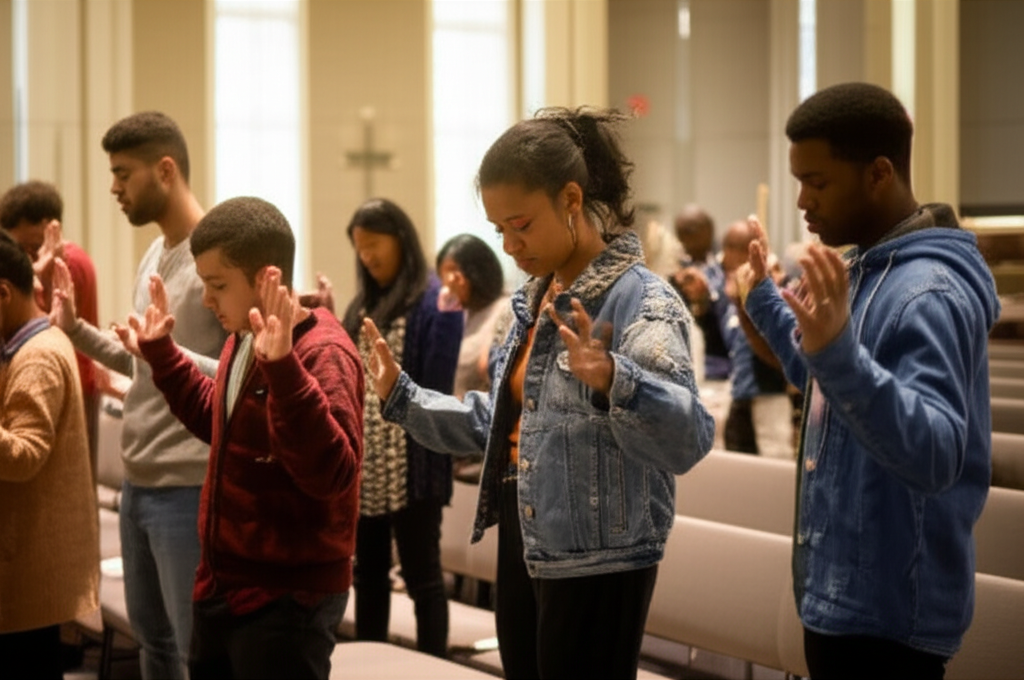
550 students stood outside a chapel at midnight, waiting in the Florida February chill. Classes had been cancelled. Faculty joined undergraduates on their knees. For fifteen minutes, 2,300 students called out their sins into the silence—pornography, fear, anger, adultery, abortion—while a livestream went viral and the nation watched.
Southeastern University in Lakeland, Florida has become the latest flashpoint of what many are calling a move of God. It started when Jennie Allen issued a simple invitation to confession. What happened next nobody planned, nobody programmed, and nobody can control. “We have no idea what is happening,” SEU Campus Pastor Jonathan Rivera told RELEVANT Magazine. “We just know that something is happening.”
The comparisons to Asbury 2023 are inevitable. But this isn’t Asbury. This is something else—and it says something profound about where the Spirit is moving in 2026.
The Hunger for Unscripted Worship
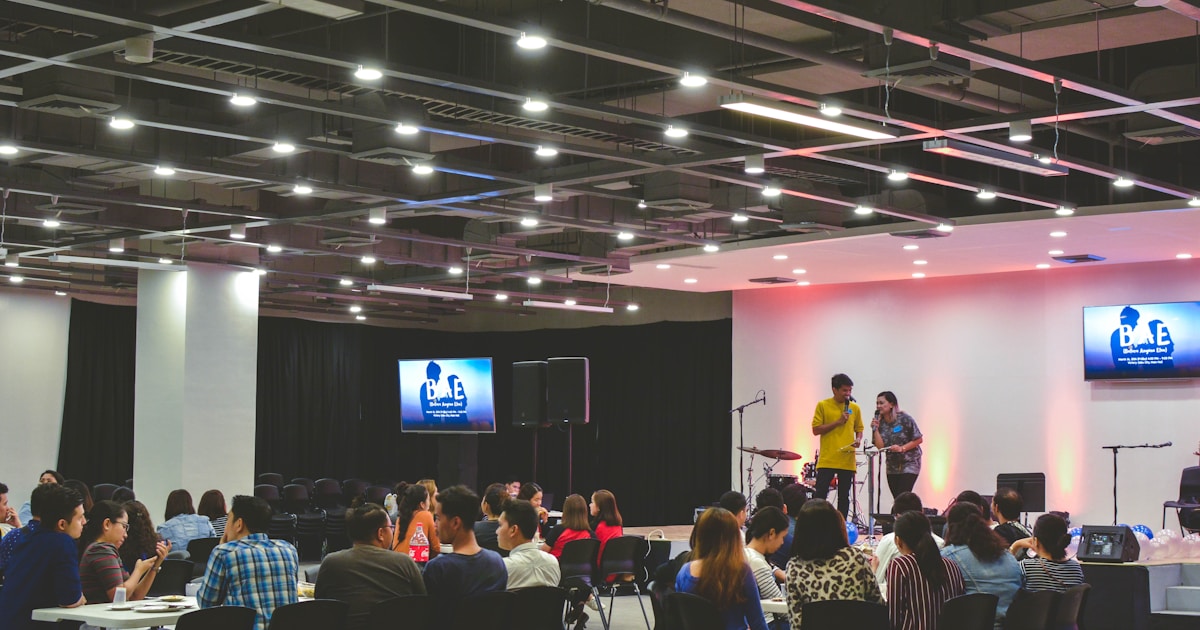
Here’s what strikes me about Lakeland: there was no worship band playlist. No carefully curated service order. No celebrity pastor flown in to headline. Just a room full of Gen Z students—supposedly the most distracted, deconstructed, disengaged generation in church history—who couldn’t leave the presence of God.
The Barna Group has documented what they call the “rise of the nones”—the fastest-growing religious demographic among young adults is “none of the above.” Yet buried in that data is a counter-narrative Barna themselves have noted: the young adults who are staying in church aren’t looking for better production value. They’re looking for something real. According to Barna’s 2025 research, 67% of engaged Christian young adults say authenticity is the primary factor in their church commitment—far outpacing music style, preaching quality, or small group offerings.
The SEU outpouring is what happens when authenticity shows up. Nobody preached a sermon about how to have a spiritual experience. Nobody handed out a prayer card with seven steps to revival. They simply made space for the Spirit—and the Spirit filled it.
“You have made us for yourself, O Lord, and our heart is restless until it rests in you.”
Augustine wrote those words in 397 A.D., but 1,629 years later, 2,300 college students discovered them afresh. The restlessness is real. The ache is undeniable. And only the presence of Jesus satisfies it.
Student-Led, Spirit-Fed
Perhaps the most significant detail from Lakeland is this: the faculty cancelled classes. They didn’t try to contain it. They didn’t issue a statement about maintaining academic standards. They recognized that something bigger than their syllabus was happening—and they got out of the way.
This matters enormously for how we think about the next generation of Christian leadership. For too long, the American church has operated on a “wait your turn” model where young people are consumers until they’re deemed ready to contribute. But the New Testament knows nothing of this delay. Timothy was leading churches in Ephesus while still young enough for Paul to tell him, “Let no one despise you for your youth” (1 Timothy 4:12). The Spirit doesn’t check IDs before distributing gifts.

The multiplication mindset of 2 Timothy 2:2—”what you have heard from me in the presence of many witnesses entrust to faithful men, who will be able to teach others also”—assumes that every believer is both disciple and disciple-maker. There is no “discipleship finishing school” where you graduate from learning to teaching. The moment you receive, you give. The moment you’re taught, you teach.
SEU is living proof that when you empower students to lead worship, call for repentance, and make space for the Spirit, the Spirit shows up. The church doesn’t need more programs for young adults. It needs more young adults leading programs.
Revival and the Long Obedience
Church history gives us a sobering pattern: outpourings come, and outpourings go. The Great Awakening under Edwards and Whitefield. The Welsh Revival of 1904. Azusa Street. Asbury 1970. Asbury 2023. Each left its mark. Each also faded, leaving behind both transformed lives and disappointed expectations.
The question isn’t whether Lakeland will last—outpourings by definition are extraordinary interventions in ordinary time. The question is what we’ll do with the ordinary time that remains. Will we return to business as usual, running church services like spiritual entertainment venues? Or will we build the structures of discipleship that sustain the fruit of revival long after the emotional intensity subsides?
“A true revival means nothing less than a revolution, casting out the spirit of worldliness and selfishness, and making God and His love the all-in-all of life.”
Spurgeon understood that revival without reformation is fireworks without foundation. The emotional experience must translate into ethical transformation. The worship high must become the daily holiness. The confession of sin must lead to the crucifixion of sin.
That’s where the multiplication mindset becomes essential. Revival that produces only emotional moments produces nothing lasting. Revival that produces disciple-makers produces movements that outlast the revival itself.

The Tension of Our Moment
The SEU outpouring lands in a strange cultural moment for the church. On one hand, Gallup reports that U.S. church attendance has fallen below 30% for the first time in the poll’s history. Mainline denominations continue their collapse. Deconstruction narratives dominate social media.
On the other hand, The Gospel Coalition’s recent reporting shows Gen Z campus ministries seeing packed gatherings and rapid growth. Pew Research’s 2025 Religious Landscape Study found that among Americans under 30 who identify as Christian, 73% report their faith is “very important” to their daily decisions—higher than any generation since the Silent Generation.
The Spirit is moving in a remnant while the institution crumbles. The hunger is growing precisely where the program has failed. And the future belongs not to the churches with the best streaming equipment, but to the churches with the most surrendered hearts.
What Comes Next
I don’t know how long the SEU chapel will stay open. I don’t know if this will spread to other campuses or become a footnote in church history. But I know this: 2,300 students discovered that Jesus is better than their Netflix queue, better than their weekend plans, better than the carefully constructed identity they’d been performing for social media.
That’s the gospel. That’s always been the gospel. And it will keep working whether or not the lights stay on in Lakeland.
The question for the rest of us is simple: Are we building churches where this can happen? Are we creating cultures of confession and repentance? Are we empowering the next generation to lead? Are we making space for the Spirit—or have we become so efficient at running church services that we’ve crowded out the Spirit’s freedom to interrupt?
550 people stood outside at midnight, waiting. The wind is blowing. The only question is whether our sails are up.
Listen to The Disciple Standard Podcast for more on revival, discipleship multiplication, and following Jesus in a post-Christian world. Find us on YouTube @thedisciplestandard, Spotify, Apple Podcasts, and at disciplestandard.com.
Aaron Mamuyac is Campus Pastor at Sunlight Community Church (CRC) and co-host of The Disciple Standard Podcast with Scott Vander Ploeg.