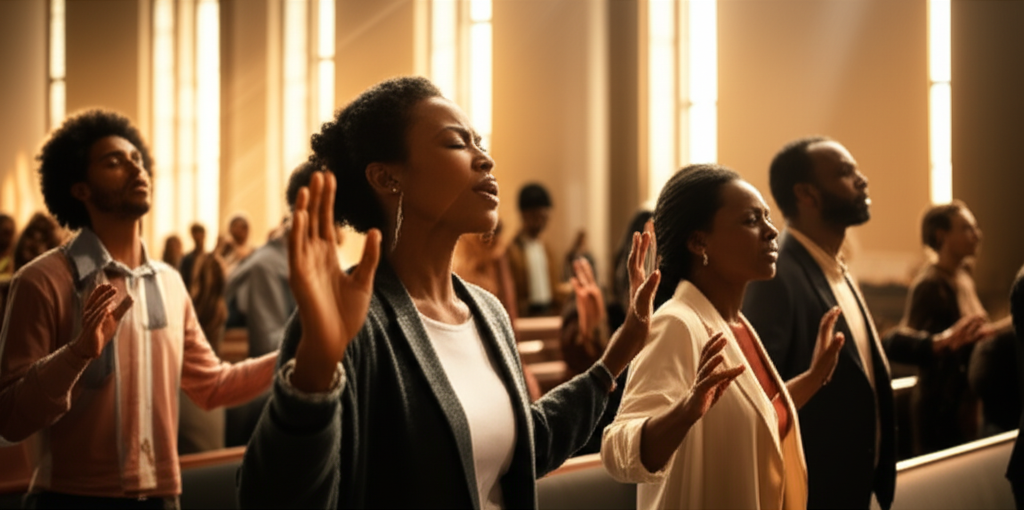
Chan Kilgore has seen a lot in nearly 25 years of ministry. But he’s never seen anything like what’s happening at New River Fellowship in Fort Lauderdale.
“I haven’t seen anything like it in the amount of time we’ve experienced,” Kilgore says. “The kind of conversions we’re seeing are undeniably a work of God.”
The numbers are staggering: 57 people have come to faith in Christ in under two years. Not transfers from other churches. Not re-dedications. New believers—people who were far from God, now calling Jesus Lord.
In an era where American churches obsess over retention strategies and worship experience upgrades, New River’s story feels like a gust of fresh wind from the book of Acts. What’s happening there isn’t programmatic genius. It’s something older, something Spirit-wrought, something the church desperately needs to recover.
When the Trellis Works, the Vine Grows

Zach Cochran, writing for 9Marks, identifies church operations as “the unseen mark that often facilitates the more fundamental biblical priorities.” When governance, finances, facilities, and systems work well, the ministry vine has room to grow. When they’re broken, even the best preaching stalls.
New River’s multiplication isn’t happening despite their infrastructure—it’s happening because of it. They didn’t prioritize polish over prayer. They built systems that could sustain Spirit-empowered growth without choking it in bureaucracy.
This matters for church planters tempted to wing it. The early church wasn’t chaotic; it was structured enough to handle explosive growth (Acts 6:1-7). The apostles appointed deacons precisely because operational health enables gospel advance.
“The church is the only society on earth that exists for the benefit of non-members.”
The Indigenous Advantage: Training Local Leaders
Across the Atlantic, Acts 29 Africa made a strategic pivot that’s paying dividends. Instead of relying on large conferences, they shifted to smaller, regional gatherings tailored to specific cultural contexts. The result? Local leaders equipped to carry the gospel into their own communities—no translation required.
New River embodies this principle in an American context. They’re not importing a model from Nashville or Dallas. They’re raising up leaders who know Fort Lauderdale’s rhythms, its pain points, its spiritual soil. Indigenous leadership isn’t just efficient—it’s biblical. Paul appointed elders in every church (Titus 1:5), knowing that local shepherds know local sheep.
The data supports this approach. According to Lifeway Research, church plants with a leadership team (rather than a solo planter) are significantly more likely to survive past four years. Multiplication requires plurality.
From Digital Touchpoints to Real Conversations

Here’s where New River breaks the mold: they understand that digital evangelism isn’t about visibility—it’s about vulnerability. In an age when churches chase social media algorithms and livestream metrics, they’ve learned that likes aren’t discipleship.
The research backs this up. Barna’s 2024 research found that while 73% of practicing Christians believe sharing their faith is important, only 40% have actually had a spiritual conversation with a non-Christian in the past year. The gap between conviction and action is massive.
New River closes that gap by moving from posts to conversations. Their digital presence invites engagement—questions, not statements. Prayer requests, not polished content. They’re present more than they’re perfect. And when someone responds, there’s a real human on the other end ready to walk with them from curiosity to conviction.
The Embodied Church in a Disembodied Age
Brad East, writing for Christianity Today, makes a countercultural claim: “Digital ‘attendance’ is a misnomer—even the best sermon podcast or livestream is not church.” A durable, dogged, in-person commitment to a local body is how we learn to be human as God intended.
New River’s conversions aren’t happening through screens. They’re happening in living rooms, coffee shops, and yes, Sunday gatherings. The church is embodied or it’s not the church.
This is especially crucial for Gen Z, who Barna reports are experiencing unprecedented spiritual hunger. After years of digital isolation during the pandemic, young people are desperate for flesh-and-blood community. Barna’s 2025 data shows Gen Z is more open to spiritual conversations than millennials were at their age—but they’re looking for authenticity, not performance.
“The seeking of the congregation in church, in prayer, in the Word, in the sacraments—this is the seeking of God himself.”
Multiplication Over Addition

Here’s the kicker: New River isn’t just growing—they’re multiplying. Their focus isn’t on becoming the biggest church in Fort Lauderdale. It’s on becoming a sending church that plants more churches.
This is 2 Timothy 2:2 in action: “And the things you have heard me say in the presence of many witnesses entrust to faithful men who will be able to teach others also.” Four generations of discipleship. Paul to Timothy to faithful men to others also.
The American church has optimized for attendance and lost the mission. We’ve built megachurches that don’t multiply. We’ve created consumers instead of disciple-makers. But the persecuted church has always known what we in the West are relearning: the church grows fastest when it has no choice but to reproduce.
New River’s 57 conversions aren’t a statistical anomaly. They’re a sign of what happens when a church gets its priorities straight: sound doctrine, healthy operations, indigenous leadership, embodied community, and a laser focus on multiplication.
What This Means for Your Church
You don’t need to be in Fort Lauderdale to learn from New River. You don’t need a charismatic leader or a massive budget. You need something far more accessible—and far more costly.
First, audit your operations. Are your systems serving the mission, or is the mission serving your systems? Fix the trellis so the vine can grow.
Second, invest in leaders. Not followers. Not volunteers. Leaders who can teach others. Plurality isn’t optional—it’s protective and productive.
Third, prioritize presence over polish. Your community doesn’t need another perfectly curated Instagram feed. They need someone who will show up, listen, and point them to Jesus.
Fourth, commit to multiplication. Every disciple you make should be a disciple-maker in training. Church planting isn’t for the elite few—it’s the natural outcome of healthy discipleship.
57 conversions in two years. That’s not just a number. That’s 57 image-bearers of God transferred from darkness to light. That’s 57 new citizens of a kingdom that cannot be shaken. That’s 57 potential disciple-makers who could reach hundreds more.
That’s what happens when a church decides that multiplication isn’t a strategy—it’s the mission.
The Disciple Standard Podcast is available on YouTube @thedisciplestandard, Spotify, Apple Podcasts, and at disciplestandard.com. Join Aaron Mamuyac and Scott Vander Ploeg as they explore what it means to know Jesus, make Jesus known, and live a Jesus life.