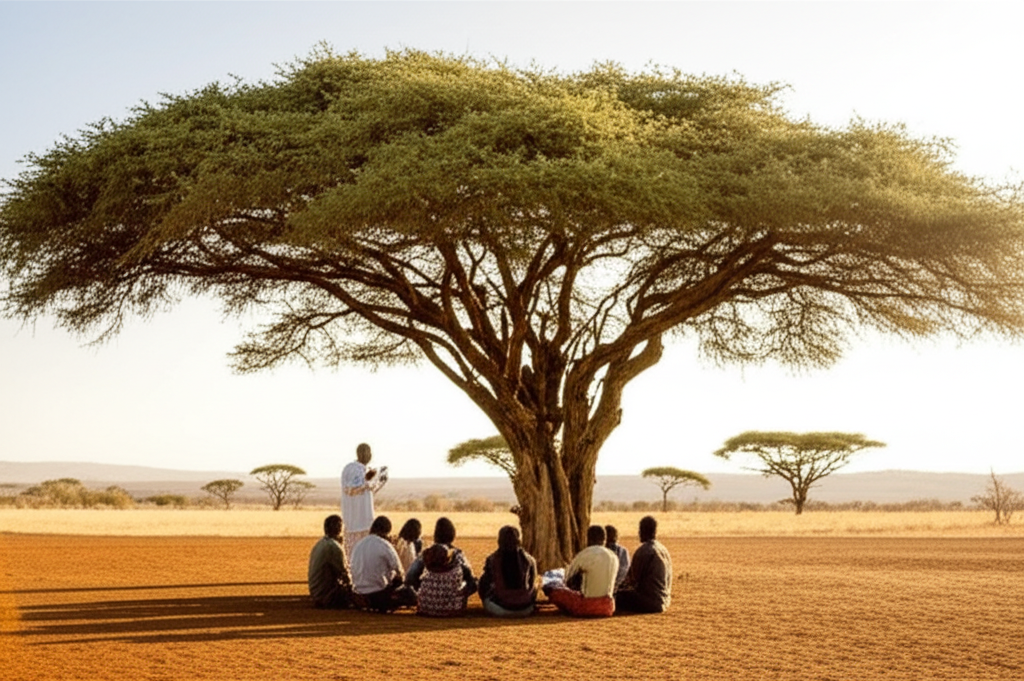
Here’s the hard math of church multiplication: one Western missionary can plant one church every three years. One indigenous leader, properly trained, can plant ten churches in a decade—and raise up others who do the same. In Acts 29 Africa’s regional training days across Uganda, Malawi, South Africa, Burundi, Mozambique, and Zambia, we’re seeing what happens when the global church gets this equation right.

The Multiplication Problem
For decades, Western missions operated on a simple model: send resources, plant churches, hope they stick. The results were predictable. Churches sprouted under foreign leadership, thrived while funding flowed, and often withered when the missionaries left. It wasn’t malicious—it was mathematical. Dependency doesn’t multiply.
But something is shifting. Acts 29 Africa has moved away from large, centralized conferences toward smaller, regional gatherings tailored to specific cultural contexts. Since March 2025, these training days have been equipping local leaders not with Western methodologies but with biblical principles they can apply within their own cultures. One Burundi pastor put it simply: “The teaching was practical; we understood exactly what to apply.”
“The Spirit of God is ready to use those who will let Him have His way. The difficulty is not with Him, but with us. We need to be stirred up to attempt great things for God, and to expect great things from God.”
Paul’s Model, Rediscovered
This isn’t innovation—it’s recovery. When Paul planted churches across the Roman world, he didn’t stay to run them. In Acts 14:23, we read that he and Barnabas “appointed elders for them in each church.” These weren’t missionaries imported from Jerusalem. They were locals—men raised up from within the community, equipped to lead, and left to multiply.
The early church exploded across the Mediterranean not because of a centralized mission board but because of decentralized leadership. Every church became a sending church. Every elder became a trainer. The gospel spread through relationships, not resources.

The Numbers Don’t Lie
According to Pew Research Center, sub-Saharan Africa has experienced the most dramatic Christian growth of any region globally, with the number of Christians more than tripling from 1970 to 2020. By 2060, Africa will be home to nearly 40% of the world’s Christians. This isn’t because of Western missionaries. It’s because of indigenous leadership.
The Center for the Study of Global Christianity at Gordon-Conwell Theological Seminary notes that Africa now has over 600 million Christians and is the only continent where Christianity is growing both in absolute numbers and as a percentage of the population. The churches growing fastest aren’t the ones with the most outside funding—they’re the ones with the most locally trained leaders.
As One Mokgatle of Acts 29 Africa explains: “We want them to establish systems that localize the work and multiply it—mentoring future planters in their regions.” This is 2 Timothy 2:2 in action: “And what you have heard from me in the presence of many witnesses entrust to faithful men, who will be able to teach others also.” Four generations of discipleship. That’s the operating verse.
“The church is not a building, but a people; not a place, but a presence; not an organization, but an organism. And this organism grows best when it is rooted in the soil where it lives.”
What This Means for Your Church
You might be reading this from an American suburb, wondering what African church planting has to do with you. Everything. The principles that are multiplying churches in Uganda and Malawi are the same principles that can break your church out of maintenance mode.
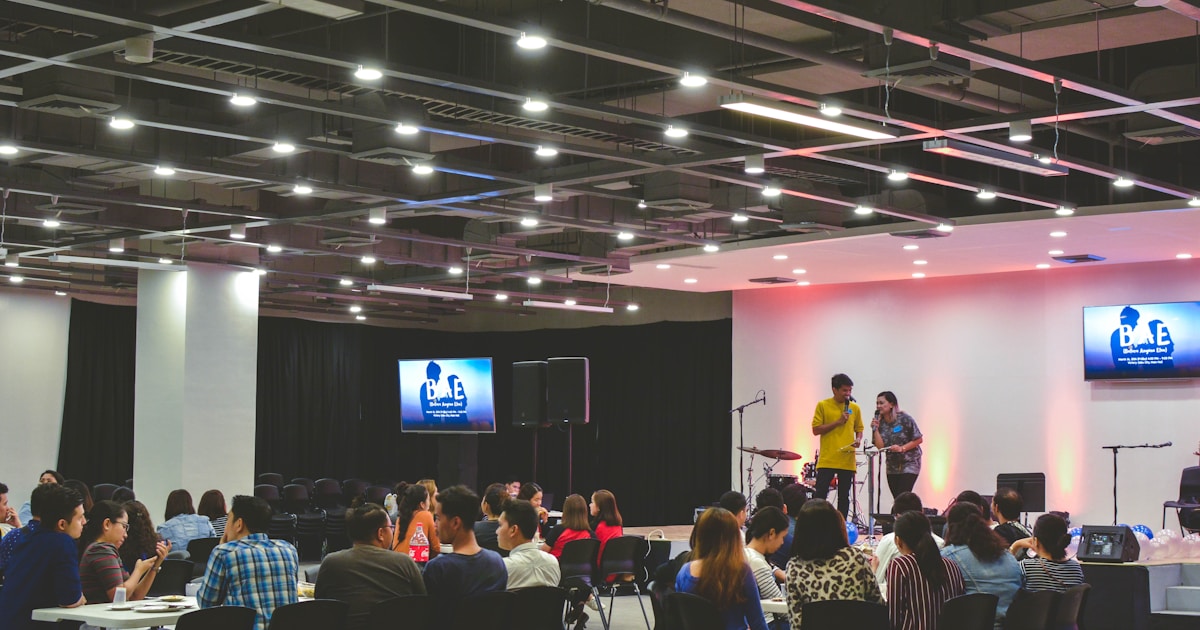
First, stop importing leaders and start raising them. Every church has people sitting in pews who could be planting churches if someone would invest in them. The question isn’t whether you have potential leaders—it’s whether you have a process to identify, train, and release them.
Second, training beats conferences. The shift in Africa wasn’t just about geography; it was about methodology. Smaller, regional, context-specific gatherings produced more fruit than large, one-size-fits-all events. Your church doesn’t need another guest speaker. It needs a discipleship pathway.
Third, multiplication requires letting go. The churches multiplying fastest in Africa aren’t the ones with the tightest control—they’re the ones with the most trust in the Spirit’s work through local leaders. If you won’t release people to lead until they’re perfect, you’ll never release anyone.
The Challenge
The global church doesn’t need more Western resources. It needs more faithful men and women who will train others who will train others. That’s what 2 Timothy 2:2 demands. That’s what we’re seeing in Africa. And that’s what your community needs right now.
Who are you raising up? Not who are you teaching—but who are you entrusting with the gospel to teach others? The future of the church depends on your answer.
Watch The Disciple Standard Podcast on YouTube @thedisciplestandard, visit disciplestandard.com, and find us on Spotify and Apple Podcasts. Scott and Aaron discuss church planting, discipleship, and what it means to live a Jesus life.