Every Easter morning, thousands of Christians gather in cemeteries, parks, and churchyards before dawn to celebrate the resurrection of Jesus Christ. This beautiful tradition—known as the sunrise service—has deep roots in church history that stretch back nearly three centuries. Understanding sunrise service history helps us appreciate how this powerful practice connects believers across generations to the empty tomb.
The first Easter sunrise service started in 1732 in the small Moravian community of Herrnhut, Germany. After an all-night prayer vigil, the unmarried men of the congregation walked to the town cemetery—called “God’s Acre”—on the hill above their village. They gathered among the graves to sing hymns celebrating the risen Savior. The following year, the entire congregation joined this dawn worship. Consequently, the tradition spread worldwide through Moravian missionaries, touching countless communities with the joy of resurrection morning.
The Moravian Roots of Sunrise Service History
The Moravian Church shaped sunrise service history in profound ways. This Protestant tradition, with roots in the teachings of Jan Hus, emphasized personal piety and communal worship. Furthermore, the Moravians developed rich musical traditions that became central to their Easter celebrations.
The original 1732 service emerged from a genuine spiritual hunger. The Single Brethren wanted to experience the resurrection in a tangible way. They chose the cemetery deliberately—standing among the tombs while declaring that Christ conquered death. Meanwhile, brass choirs began accompanying these dawn processions, playing hymns antiphonally as worshippers walked through the morning mist.
John Wesley, the founder of Methodism, encountered Moravian communities during his travels. He observed their passionate devotion and incorporated similar emphases into Methodist worship. Additionally, the Reformed tradition embraced these services as a way to proclaim the bodily resurrection of Christ. The practice resonated deeply with Calvinist theology, which emphasizes Christ’s real, historical triumph over death.
Jonathan Edwards, the great American theologian, wrote extensively about the resurrection’s centrality to Christian faith. In his sermons, Edwards proclaimed that Christ’s rising from the dead validates every promise God makes to believers. Similarly, Charles Spurgeon—the Prince of Preachers—delivered powerful Easter messages that drew thousands to London’s Metropolitan Tabernacle. Spurgeon once declared: “The resurrection is the keystone of the arch of Christianity; take it away, and the whole structure falls.”
How Sunrise Services Spread to America
Sunrise service history in America began with Moravian settlers who established communities in Pennsylvania and North Carolina. The Salem Congregation in Winston-Salem, North Carolina, has held an annual sunrise service since 1772—making it one of the oldest continuous Easter traditions in the United States.
Every Easter morning, over six thousand worshippers gather before dawn in Old Salem. Brass choirs from twelve congregations—totaling more than five hundred musicians—play hymns as the procession moves toward God’s Acre. The service concludes with a bold proclamation of faith and hymns of resurrection hope.
In the American South, many churches hold sunrise services in cemeteries as a powerful visual reminder. Jesus no longer lies in the tomb, so believers gather among the graves to declare victory over death. The timing allows worshippers to watch the sun rise during the service, symbolizing the light of Christ breaking into darkness.
Stone Mountain near Atlanta hosts another historic sunrise service dating back to 1944. Thousands ride the skylift to the summit before dawn to worship as the sun rises over Georgia. Meanwhile, the Lincoln Memorial in Washington, D.C., has held an ecumenical Sunrise Celebration for over three decades, drawing Christians from every denomination.
The Theological Significance of Easter Dawn Worship
Sunrise services carry profound theological weight. They connect believers to the actual experience of the first Easter morning. When Mary Magdalene and the other women went to the tomb at dawn, they discovered the stone rolled away. Therefore, gathering at daybreak helps Christians enter that moment of discovery and joy.
Timothy Keller, the late pastor of Redeemer Presbyterian Church, often emphasized how the resurrection changes everything. Keller taught that if Jesus truly rose from the dead, then hope exists even in our darkest moments. Furthermore, Kevin DeYoung—senior pastor of Christ Covenant Church—writes that the empty tomb proves Christ’s sacrifice satisfied God’s wrath completely.
The apostle Paul connects this hope to discipleship multiplication in 2 Timothy 2:2: “And the things you have heard me say in the presence of many witnesses entrust to faithful men who will be able to teach others also.” This verse reveals four generations of faith transmission: Paul to Timothy, Timothy to faithful men, and them to others. Sunrise services participate in this multiplication by passing resurrection hope from one generation to the next.
John Calvin, in his Institutes of the Christian Religion, taught that Christ’s resurrection guarantees our own future resurrection. Calvin wrote that believers are united to Christ by faith, sharing both in his death and his rising. Therefore, every Easter sunrise proclaims this union—death no longer has dominion over Christ, and consequently, it cannot ultimately hold his people.

Sunrise Service Statistics and Modern Practice
Recent research reveals the enduring power of Easter worship. According to Barna Group, 44% of U.S. adults report increased spiritual openness since the pandemic. Additionally, Easter remains the highest-attended Sunday of the year for most churches, with many congregations seeing double their normal attendance.
Churches that offer sunrise services often experience deeper community engagement. These early gatherings create intimate spaces for authentic worship before the larger celebration. Furthermore, outdoor services attract neighbors who might not enter a church building, providing natural evangelistic opportunities.
The Christian Reformed Church, to which Sunlight Community Church belongs, maintains strong Easter traditions. Many CRC congregations hold sunrise services followed by breakfast fellowship. This pattern reflects the Reformed emphasis on Word and sacrament, community and mission.
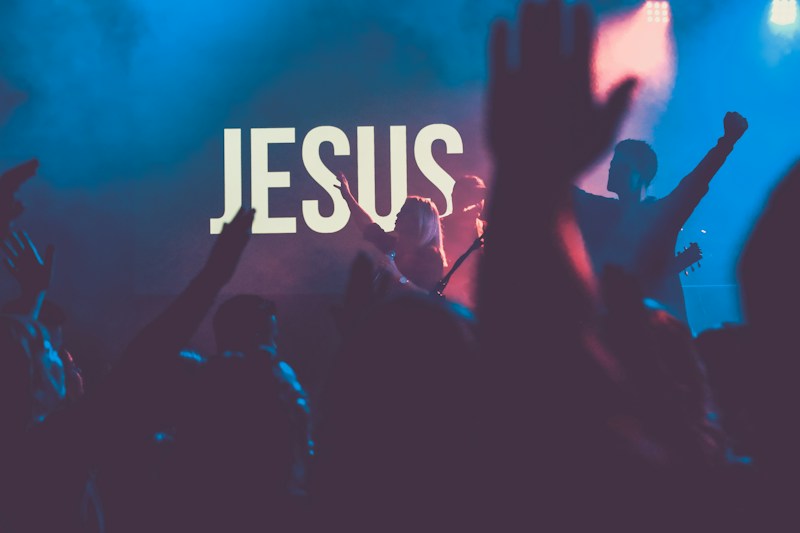
Contemporary worship styles have influenced modern sunrise services. Some churches incorporate praise bands, dramatic readings, and multimedia elements. However, the core remains unchanged: gathering at dawn to declare that Christ is risen indeed.
Why Sunrise Services Still Matter Today
In an age of digital distraction and consumer Christianity, sunrise services offer something radically different. They demand physical presence at an inconvenient hour. They require believers to leave comfortable homes and gather in often-chilly outdoor settings. Yet precisely this sacrifice makes the worship meaningful.
As Aaron Mamuyac and Scott Vander Ploeg discuss in “Are We Preaching the Gospel Wrong?”, the church must recover the transformative power of the resurrection. Sunrise services embody this recovery by making Easter viscerally real. We do not merely remember a historical event; we encounter the living Christ.
The Heidelberg Catechism asks: “What is your only comfort in life and death?” The answer declares: “That I am not my own, but belong—body and soul, in life and in death—to my faithful Savior, Jesus Christ.” Sunrise services proclaim this belonging. As the sun rises, we remember that we belong to the One who conquered death.
For churches considering starting a sunrise service, the barriers are low. You need only a gathering space, willing worshippers, and a heart to celebrate. The Moravians began with a handful of single men in a cemetery. Three centuries later, millions continue their tradition.
Frequently Asked Questions About Sunrise Services
What time do sunrise services typically start?
Most sunrise services begin 30-45 minutes before local sunrise. This timing allows the service to build toward the moment when light breaks over the horizon. Check local weather services for precise sunrise times in your area.
Do sunrise services replace regular Easter services?
No, sunrise services typically supplement rather than replace regular worship. Many congregations gather early for the sunrise celebration, then reconvene for a fuller service later that morning. Some churches also offer breakfast between the two gatherings.
Why do some sunrise services take place in cemeteries?
The cemetery tradition stems from the original Moravian practice at God’s Acre. Gathering among the graves powerfully illustrates that Christ’s resurrection defeats death. As Spurgeon noted, the Christian can look at death itself and declare: “O death, where is your sting?”
What should I bring to a sunrise service?
Dress warmly in layers, as early morning temperatures can be cold. Bring a blanket or portable chair if seating will not be provided. Many congregations provide coffee and hot chocolate after the service.
Are sunrise services only for certain denominations?
While the tradition began with Moravians, sunrise services now span virtually every Christian tradition. Methodist, Reformed, Baptist, Presbyterian, and non-denominational churches all celebrate Easter at dawn.
Conclusion: The Enduring Power of Resurrection Morning
The history of sunrise services reminds us that traditions matter. When we gather at dawn on Easter morning, we join a chain of believers stretching back to 1732. We stand where the Moravians stood, sing what they sang, and believe what they believed: Christ is risen.
This practice connects us to something larger than ourselves. In a world of constant change, the sunrise remains constant. Every Easter morning, the sun rises on empty tombs and living hope. Therefore, let us continue gathering, continuing the tradition, and proclaiming the resurrection until Christ returns.
For more on living as a resurrection people, read our article on why the resurrection changes everything. If you want to grow in your ability to share this hope, explore how to read the Bible for transformation.
About the Author: This article was written by a member of the Disciple Standard team in collaboration with pastors at Sunlight Community Church. We are passionate about helping believers understand church history and live out 2 Timothy 2:2—entrusting the faith to faithful men and women who will teach others.