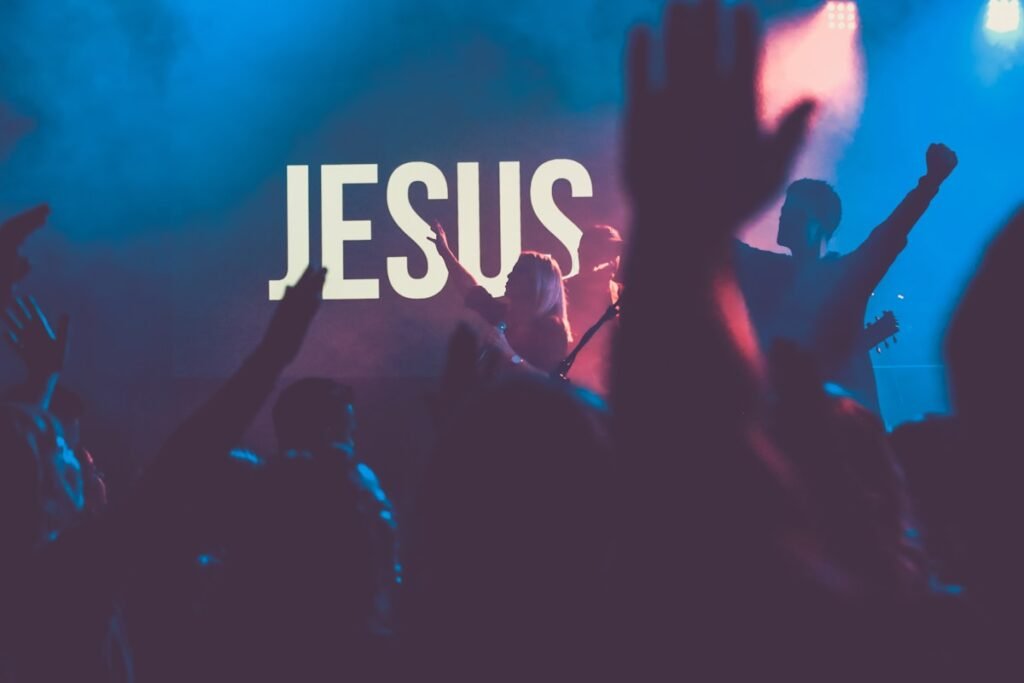
Consumer Christianity has quietly become the dominant religion in America. We shop for churches like we shop for coffee—comparing playlists, preaching styles, children’s programs, and parking convenience. We evaluate our “church experience” the way we rate restaurants on Yelp. And when our preferences aren’t met? We simply drive to the next option down the road. This discipleship podcast explores why this mindset is destroying the very thing Jesus came to build—and what we can do about it.
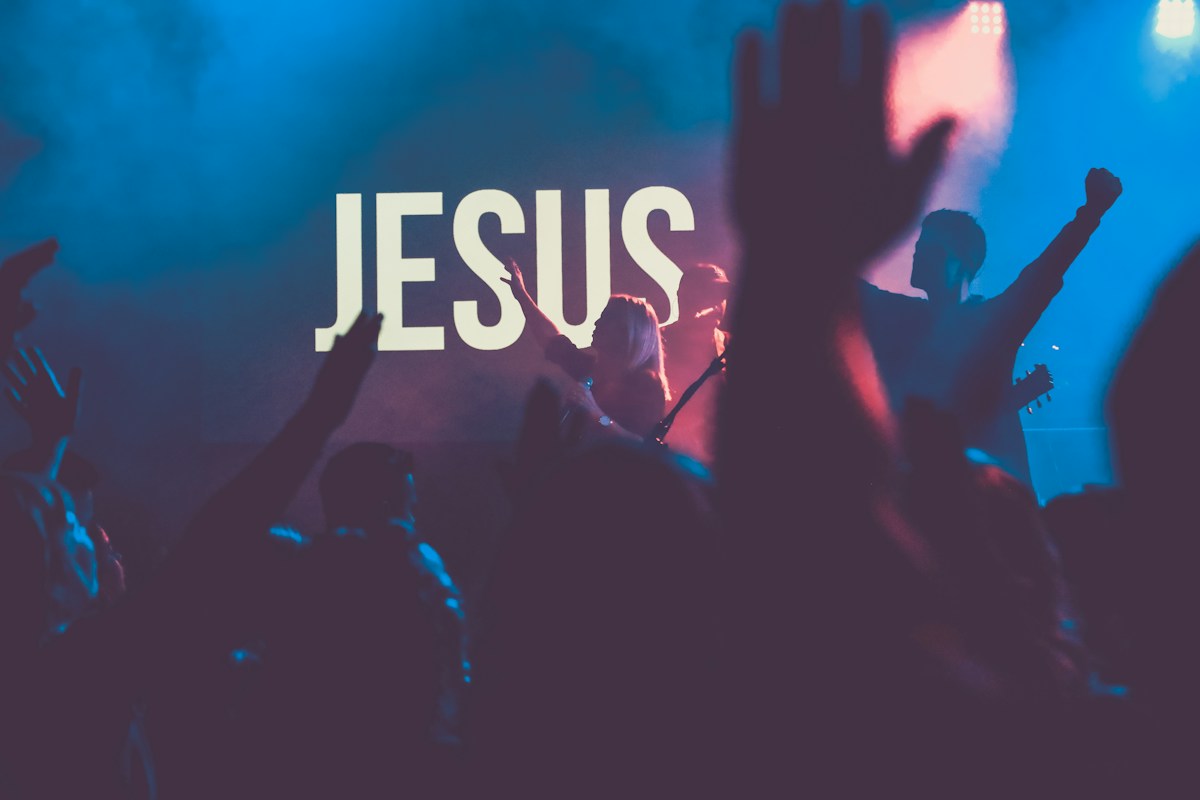
The Consumer Christianity Crisis
We’ve traded the costly call of discipleship for the comfort of religious consumption. The evidence is everywhere. According to Barna Research, nearly one-third of practicing Christians say they have stopped attending church as frequently as they did before the pandemic—and many who returned did so with a “what’s in it for me” mentality that would have been foreign to the early church.
Pew Research Center data confirms the trend: religious affiliation continues to decline across all demographics, but perhaps more troubling is the quality of commitment among those who remain. A 2023 Lifeway Research study found that only 45% of churchgoers say they regularly serve in their local church, and just 38% participate in any form of small group or discipleship relationship.
We’re witnessing what theologian Michael Horton calls “Christless Christianity”—a religious system that uses Christian language and symbols but has lost the radical, self-denying heart of the gospel. Church planting and church multiplication become nearly impossible when the average Christian views church membership as a consumer choice rather than a covenant commitment.
The Biblical Vision: From Consumers to Disciples
The Apostle Paul understood the difference between consumers and disciples. Writing to Timothy, he gave us the pattern for Christian leadership and multiplication that has fueled church growth for two millennia:
“And the things you have heard me say in the presence of many witnesses entrust to faithful men who will be able to teach others also.” — 2 Timothy 2:2
Notice the four generations in this single verse: Paul → Timothy → Faithful Men → Others Also. This is the multiplication method at the heart of genuine Christian leadership. It’s not about attracting crowds; it’s about making disciples who make disciples. This is the foundation of every healthy Reformed theology podcast and discipleship movement.
John Calvin, in his Institutes of the Christian Religion, emphasized that true faith is never passive: “We are not our own: let not our reason nor our will, therefore, sway our plans and deeds. We are not our own: let us therefore not set it as our goal to seek what is expedient for us according to the flesh.”
Consumer Christianity says: “What can the church do for me?”
Biblical discipleship asks: “How can I serve the body of Christ?”

The YouTube Episode That Confronts Our Comfort
In a recent episode of The Disciple Standard Podcast, Aaron and Scott tackle this issue head-on. In “Do You Really Belong to a Church?“, they explore what it actually means to be a member of a local church—not just an attendee, not a consumer, but a committed, covenant member of Christ’s body.
This episode is essential listening for anyone serious about Christian leadership and disciple making. Aaron and Scott discuss how the consumer mindset has infected our understanding of church membership, why church planting efforts fail when built on consumer appeal, and how the New Testament presents a radically different vision of belonging to Christ’s body. If you’re looking for discipleship podcasts that don’t shy away from hard truths, this episode delivers.
The hosts draw from their own experiences in church multiplication and pastoral ministry, offering practical wisdom for moving from passive consumption to active participation. They remind us that church multiplication and church planting depend on disciples who are committed for the long haul—not religious consumers shopping for the best experience.
Lessons from Church History
The early church knew nothing of consumer Christianity. Jonathan Edwards, the great American theologian, wrote extensively about the difference between true and false religion. In his treatise on Religious Affections, he warned against mistaking emotional experiences for genuine conversion: “True religion, in great part, consists in holy affections.”
Edwards understood that authentic faith produces transformed lives, not just warm feelings. The Puritans spoke of “gospel-driven effort”—the Spirit-empowered work of mortifying sin and growing in grace. This is the opposite of the passive, entertainment-seeking posture of consumer Christianity.
Charles Spurgeon, the Prince of Preachers, once said: “I believe that one reason why the church of God at this present moment has so little influence over the world is because the world has so much influence over the church.” Spurgeon saw in his own day the creeping consumerism that would eventually dominate American evangelicalism.
The Protestant Reformation itself was, in part, a rejection of religious consumerism. When Martin Luther nailed his Ninety-Five Theses to the Wittenberg door, he was confronting a church that had turned grace into a commodity to be bought and sold. The Reformers recovered the biblical truth that salvation is by grace alone, through faith alone, in Christ alone—and that genuine faith always produces the fruit of obedience and service.
The Multiply Method: From Consumption to Multiplication
At 222Disciple, we’ve developed the Multiply Method as a practical framework for moving beyond consumer Christianity:
1. Know Jesus — Not just know about Him, but truly know Him through His Word and Spirit. This requires moving beyond devotional soundbites to deep, transformative engagement with Scripture.
2. Make Jesus Known — Discipleship is not a solo sport. We’re called to invest in others, to pass along what we’ve received. This is the heart of church multiplication: every disciple making disciples.
3. Live a Jesus Life — The gospel transforms every area of life—our work, our relationships, our finances, our leisure. Consumer Christianity compartmentalizes faith; biblical discipleship integrates it.
As Kevin DeYoung writes in The Gospel Coalition: “The church is not a vendor of religious goods and services. It is a family, a body, a temple, a bride. We don’t consume the church; we are the church.”

The Cost of Discipleship
Dietrich Bonhoeffer, the German pastor martyred by the Nazis, gave us the definitive word on this subject in his classic The Cost of Discipleship: “Cheap grace is the grace we bestow on ourselves… Cheap grace is the preaching of forgiveness without requiring repentance, baptism without church discipline, Communion without confession.”
Consumer Christianity is cheap grace dressed in modern marketing. It promises all the benefits of salvation with none of the demands of discipleship. But Jesus was clear: “If anyone would come after me, let him deny himself and take up his cross daily and follow me” (Luke 9:23).
This is why church planting and church multiplication are such powerful antidotes to consumer Christianity. Planting a church requires sacrifice. It demands that we give our time, our money, our energy, and our comfort for the sake of the gospel. It forces us to move from the sidelines to the front lines.
Tim Keller, founder of Redeemer Presbyterian Church and a leading voice in church planting movements, observed: “The gospel is this: We are more sinful and flawed in ourselves than we ever dared believe, yet at the very same time we are more loved and accepted in Jesus Christ than we ever dared hope.”
This gospel creates disciples, not consumers. It produces people who are so overwhelmed by God’s grace that they gladly lay down their preferences for the sake of Christ’s kingdom.
Practical Steps Toward True Discipleship
How do we move from consumer Christianity to committed discipleship? Here are practical steps for Christian leaders and laypeople alike:
Commit to a local church. Not just attend—commit. Join as a member. Submit to leadership. Serve in whatever capacity is needed, not just where you prefer.
Invest in relationships. Consumer Christianity is anonymous. Discipleship is personal. Find (or start) a small group where you can be known and know others.
Practice the spiritual disciplines. Prayer, Scripture reading, fasting, giving—these aren’t optional add-ons for the super-spiritual. They’re the basic training of the Christian life.
Make disciples. Look for someone younger in the faith than you—spiritually, if not chronologically—and invest in them. Teach them what you’ve learned. Model the Christian life.
Support church planting. Whether through prayer, giving, or going, get behind the work of multiplying healthy churches. Church multiplication is the natural fruit of a healthy, disciple-making church.
Frequently Asked Questions
Q: What’s the difference between church shopping and finding a healthy church?
A: It’s legitimate to look for a church that preaches the gospel, administers the sacraments, and practices church discipline (the marks of a true church, according to the Reformers). But consumer Christianity evaluates churches based on personal preferences—music style, preaching personality, children’s programs—rather than biblical faithfulness. Ask yourself: Am I looking for a church that will challenge me to grow, or one that will make me comfortable?
Q: How does consumer Christianity affect church planting?
A: Church planting depends on committed disciples who are willing to sacrifice for the gospel. Consumer Christians want established programs, comfortable facilities, and polished productions—things new churches rarely have. This is why church multiplication requires a different kind of Christian: one who values mission over comfort.
Q: Can a consumer Christian become a true disciple?
A: Absolutely. The Holy Spirit can awaken anyone from spiritual slumber. The key is repentance—turning from the self-centeredness of consumer Christianity to the Christ-centeredness of true discipleship. This happens as we encounter the living Christ in His Word and through His people.
Q: What role do discipleship podcasts play in combating consumer Christianity?
A: Resources like The Disciple Standard and other Reformed theology podcasts can be powerful tools when they challenge us to action, not just inform us for discussion. The test of any Christian leadership content is whether it produces doers of the Word, not just hearers.
Q: How can pastors address consumer Christianity in their churches?
A: Preach the whole counsel of God, including the hard sayings of Jesus. Practice meaningful church membership. Create pathways for discipleship, not just attendance. And model sacrificial service yourself—people will follow what they see more than what they hear.
The Call to Choose
Consumer Christianity is killing the church because it’s not Christianity at all. The gospel calls us to die to ourselves, take up our cross, and follow Jesus. It calls us to love the church—not as consumers, but as committed members of Christ’s body. It calls us to the glorious work of disciple making and church multiplication.
The question before each of us is simple but profound: Will we be consumers, or will we be disciples?
As 2 Timothy 2:2 reminds us, the future of the church depends on faithful men and women who will entrust the gospel to the next generation. This is the heartbeat of Christian leadership. This is the essence of church planting. This is the calling of every follower of Jesus.
Ready to move from consumption to multiplication? Start by watching the episode “Do You Really Belong to a Church?” from The Disciple Standard Podcast. Then commit to your local church, find someone to disciple, and join the movement of Christians who are done with religious consumerism and ready to follow Jesus—no matter the cost.
About the Author: Aaron Mamuyac serves as Campus Pastor at Sunlight Community Church. He is passionate about disciple making, church multiplication, and helping Christians move from passive consumption to active participation in Christ’s mission. This article is part of the ongoing conversation at The Disciple Standard, where we explore what it means to follow Jesus in a world of distractions.
The Disciple Standard Podcast is available on YouTube, Apple Podcasts, Spotify, and wherever you listen to discipleship podcasts. Subscribe for weekly conversations about church planting, Christian leadership, Reformed theology, and the Multiply Method.