
Discipleship podcasts and Reformed theology podcast discussions are increasingly asking the same urgent question: where have all the pastors gone? The crisis in Christian leadership is not merely a staffing shortage—it is a spiritual deficit that strikes at the heart of how we understand disciple making and church multiplication. As churches across North America struggle to fill pulpits and planting teams scramble for qualified leaders, we must return to the ancient pattern that built the church: the faithful transmission of faith from one generation to the next.
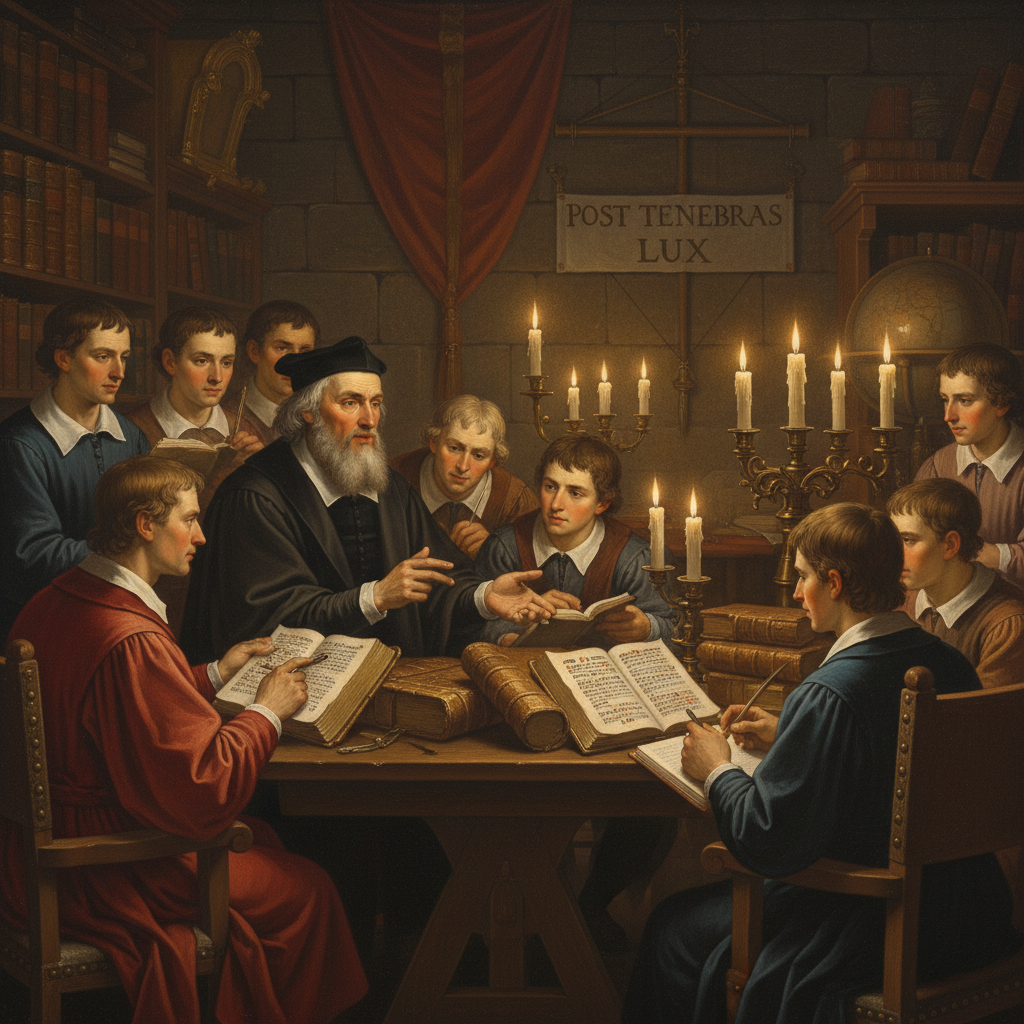
The Crisis in Christian Leadership
The pastoral pipeline is breaking. This is not hyperbole—it is the sober assessment of denominational leaders, seminary presidents, and veteran church planters across the evangelical landscape. The statistics paint a troubling picture. According to Barna Research, 38% of pastors have considered leaving ministry in the past year, with burnout and discouragement cited as primary factors. Meanwhile, the pipeline of young men preparing for pastoral ministry has slowed to a trickle. Southern Baptist seminaries, once the training ground for thousands of pastors, have seen enrollment declines of nearly 20% over the past decade.
But the problem runs deeper than numbers. Church planting efforts are stalling not for lack of funding or vision, but for lack of leaders equipped to shepherd new congregations. The modern approach to leadership development—extracting promising candidates from local contexts, sending them to residential seminary for three years, and then deploying them as solo pastors—has proven insufficient for the task of church multiplication. We have professionalized the pastorate while neglecting the priesthood of all believers. We have prioritized credentials over character, degrees over discipleship.
John Calvin, in his Institutes of the Christian Religion, warned against separating the office of pastor from the spiritual formation of the congregation: “The church is the society of all the saints, a society which, spread over the whole world, and existing in all ages, yet bound together by the one doctrine and the one Spirit of Christ.” When the pastor becomes merely a professional religious service provider rather than a disciple who makes disciples, the entire ecosystem of Christian leadership begins to collapse.
Recovering the Paul-Timothy Model
The solution is not more programs—it is more Pauls. The apostle Paul’s relationship with Timothy exemplifies the pattern we must recover. Paul didn’t merely preach to crowds; he invested in individuals. He didn’t just plant churches; he prepared pastors. In 2 Timothy 2:2, Paul writes the charter for all disciple making: “And the things you have heard me say in the presence of many witnesses entrust to faithful men who will be able to teach others also.” Four generations in one verse: Paul → Timothy → faithful men → others also. This is the engine of church multiplication.
Jonathan Edwards, that towering figure of American Reformed theology, understood this principle intimately. His ministry at Northampton was marked not merely by powerful preaching but by intentional investment in young ministers. Edwards wrote in his treatise on the Religious Affections: “True religion, in great part, consists in holy affections.” And those affections are caught more than taught—they are transmitted through life-on-life discipleship, through the shared labor of ministry, through the patient cultivation of character alongside competence.
Charles Spurgeon, the Prince of Preachers, modeled this same commitment to raising up leaders. His Pastors’ College trained over 900 men for ministry, but Spurgeon insisted that theological education happen in the context of local church ministry. “The best college for a minister is the congregation,” he declared. “The best teacher is experience.” Spurgeon understood that Christian leadership cannot be manufactured in classrooms; it must be forged in the furnace of local church life, tested by the pressures of real ministry, and proven through faithful service.

The Multiply Method: A Return to Biblical Discipleship
At The Disciple Standard, we call this the Multiply Method. It is not a program but a return to biblical normalcy. The method is simple: Know Jesus → Make Jesus Known → Live a Jesus Life. Every believer is called to discipleship. Every disciple is called to make disciples. And from that multiplying movement, leaders naturally emerge—not manufactured but matured, not appointed but proven.
Timothy Keller, in his book Center Church, argues that healthy churches develop leaders organically through “leadership pipelines” that identify, train, and deploy gifted individuals within the context of mission. “The church should be a leadership factory,” Keller writes, “constantly developing new leaders from within its own membership.” This is precisely what the Reformed theology podcast tradition has always emphasized: the priesthood of all believers means that every Christian has both the privilege and the responsibility of ministry.
Kevin DeYoung, pastor and author, has similarly called the church to recover its discipling mission. “The Great Commission is not a suggestion,” DeYoung reminds us. “It is the marching orders for every church, every Christian, every generation.” When we take these orders seriously, leadership development ceases to be a crisis and becomes a natural byproduct of faithful disciple making.
Church History Speaks: The Catechumenate and Apprenticeship
We are not proposing novelty but recovery. The early church developed leaders through the catechumenate—a rigorous, multi-year process of instruction, character formation, and tested service. Candidates for baptism were not rushed through a class; they were immersed in the life of the church, mentored by established believers, and gradually entrusted with greater responsibility. This was disciple making at scale, and it produced leaders of remarkable depth and resilience.
The medieval monasteries, for all their excesses, preserved this pattern of apprenticeship. Young monks learned the rhythms of prayer, work, and study under the guidance of experienced brothers. The Reformation, rather than discarding this tradition, reformed it—bringing leadership development back into the context of the local church and the family. Calvin’s Geneva required catechism instruction for all, but also identified and trained future ministers through personal mentorship and supervised ministry.
The Puritans in New England applied this same principle to their churches. Cotton Mather wrote of the “careful shepherding” of young men preparing for ministry, emphasizing that theological knowledge must be wed to pastoral experience. The result was a remarkable generation of preachers and church planters who established Christianity across the American colonies—not through professional clergy imported from Europe, but through locally raised, spiritually formed leaders.
The Disciple Standard Podcast: A Resource for the Journey
In our recent episode, “Is The Pastoral Pipeline Breaking?” we explore these themes in depth. This 86-minute conversation addresses the root causes of the leadership crisis and offers practical pathways forward. We discuss why the traditional seminary model, while valuable, cannot bear the full weight of leadership development—and how local churches must reclaim their role as primary training grounds for pastors and planters.
You can watch the full episode here: Is The Pastoral Pipeline Breaking?
This episode is essential listening for anyone concerned about Christian leadership, church planting, or the future of the church in North America. We examine case studies of churches that have successfully developed internal leadership pipelines, explore the theological foundations of apprenticeship-based training, and offer concrete steps for pastors and church leaders who want to begin investing in the next generation.
FAQ: Addressing Common Questions About Disciple Making and Leadership Development
What is disciple making, and how is it different from discipleship?
Discipleship often refers to the state of being a follower of Jesus—our ongoing growth in Christ. Disciple making is the active, intentional process of helping others become followers of Jesus. It is the Great Commission in action: making disciples who make disciples. While discipleship can be passive, disciple making is always purposeful and relational.
Why are traditional seminaries struggling to produce enough pastors?
Seminaries provide valuable theological education, but they cannot manufacture spiritual maturity or pastoral character. The residential model often removes students from the contexts where they will eventually serve, creating a gap between training and practice. Additionally, the cost and time required have become prohibitive for many candidates, particularly those called to church planting or ministry in underserved communities.
How can a local church begin developing leaders?
Start with the Paul-Timothy model: identify faithful men and women already serving in your congregation, invite them into closer relationship and observation of your ministry, gradually entrust them with responsibility, and provide ongoing feedback and encouragement. Create structured pathways—internships, residencies, or apprenticeship programs—that combine theological education with hands-on ministry experience.
What role do discipleship podcasts and media play in leadership development?
Resources like The Disciple Standard Podcast provide theological formation, practical wisdom, and encouragement for the journey. They supplement but cannot replace personal mentorship. Think of them as tools for ongoing learning, not substitutes for life-on-life investment.
Is church multiplication really possible in today’s cultural climate?
Absolutely. The early church multiplied in a hostile Roman Empire. The Reformation churches multiplied despite persecution. The global church today is growing most rapidly in the most difficult contexts. Church multiplication is not dependent on favorable cultural conditions but on faithful disciples who are empowered by the Spirit and equipped for the task.
A Call to Action: Be the Pipeline
The pastoral pipeline is not broken beyond repair. It is simply waiting for faithful men and women to rebuild it according to the ancient pattern. If you are a pastor, ask yourself: who is your Timothy? Who are you investing in with the kind of intentionality that Paul demonstrated? If you are a church member, consider: has God called you to be a faithful man or woman who teaches others? The pipeline begins with ordinary disciples who take seriously the command to make disciples.
2 Timothy 2:2 is not a suggestion for the especially zealous. It is the strategy Jesus gave his church for changing the world. Four generations of faithful transmission—that is how the gospel spread across the Roman world. That is how it reached us. And that is how it will reach the generations to come.
The future of Christian leadership will not drop from the sky. It will rise from the pews of faithful churches where pastors disciple members, members become leaders, and leaders plant churches that plant churches. This is church multiplication. This is the Multiply Method. This is how we fix the pipeline—one disciple at a time.
About the Author: This article was written by the team at The Disciple Standard. Aaron Mamuyac serves as Campus Pastor at Sunlight Community Church. The Disciple Standard Podcast is dedicated to exploring what it means to follow Jesus, make disciples, and multiply churches for the glory of God.
Ready to go deeper? Subscribe to The Disciple Standard Podcast on YouTube, Apple Podcasts, or Spotify. Join the conversation about discipleship podcasts, Reformed theology, and the future of the church.